
The fashion brand I’m introducing today is Balenciaga, a high-end luxury fashion house founded in 1917 in San Sebastian, Spain, by Spanish designer Cristobal Balenciaga and currently based in Paris, France.
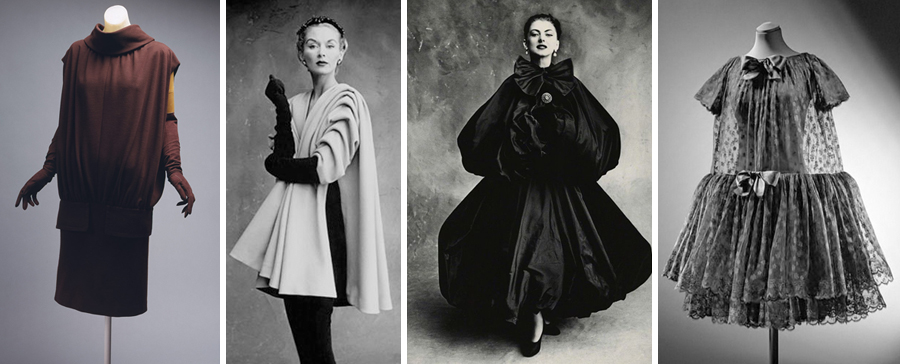
Cristobal Balenciaga’s innovative designs, known for their sculptural volume and rigorous modernity, cemented his reputation as one of the most legendary designers of the 20th century. Balenciaga gained a reputation as a designer of clothes with uncompromising standards and was called “the master of us all” by Christian Dior. His bubble dresses and strange, feminine, but “modernist” silhouettes became the brand’s hallmark.
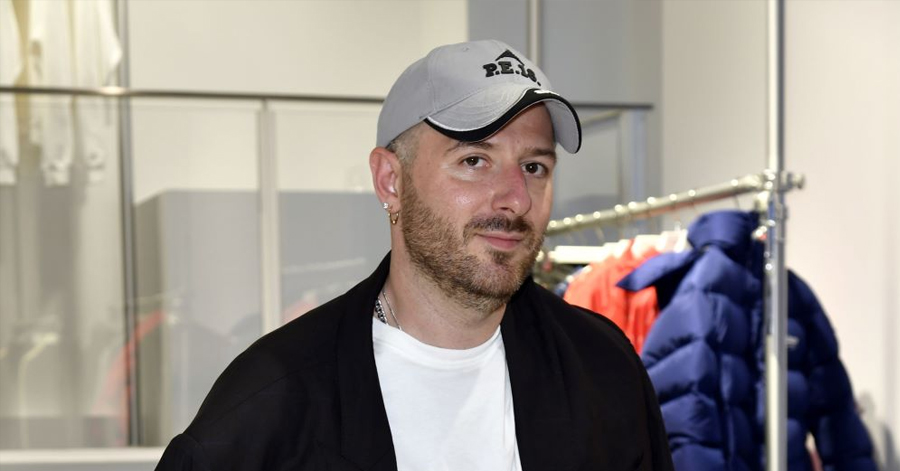
Balenciaga has an illustrious history but was unloved by Gen Z until Gvasalia came in and changed that and gave Balenciaga a rebirth.
Since its launch over a century ago, polished fabrics, sleek forms, and a balance of tradition and futurism continue to define Balenciaga’s refined aesthetic. Since 2015, under the creative direction of Demna Gvasalia, the Balenciaga brand has maintained its founder’s tradition of experimentation, fusing the worlds of streetwear and high fashion. Unbound by industry conventions, Gvasalia reconfigures classic pieces with exaggerated silhouettes, asymmetrical cuts, and bold color palettes. There is an extensive collection of ready-to-wear artwork and accessories, from logo-printed T-shirts and wool pants to calfskin phone cases and silk travel pillows.
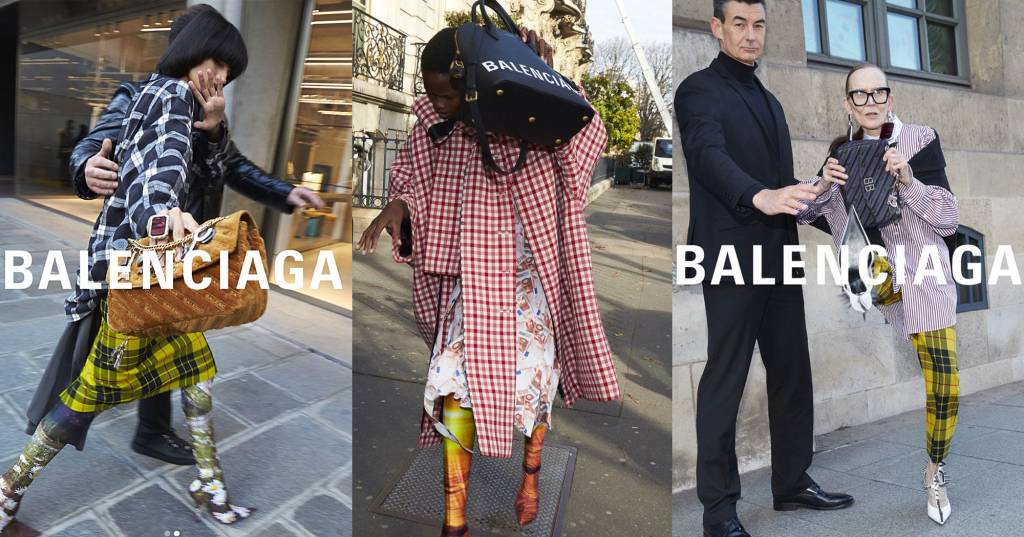
Young people love Demna Gvasalia’s design. The Balenciaga gained a significant market share, and their revenue increased. Traditional fashion houses have followed the example, such as Louis Vuitton invited off-white designer Virgil Abloh to join, which achieved an excellent effect. Balenciaga’s revenues have surged from $17 million in 2001 to about $2.3 billion, driven by the “ugly sneaker” phenomenon. Balenciaga has grown faster than the group average of its owner, Kering SA, with a share of sales of more than 10 percent, although it is still only a quarter the size of family member Gucci.
Luxury group Kering now owns the brand. 81 percent of 2021 revenues came from retail, with retail sales increasing by 40 percent year-over-year and 18 percent from 2019. Sales for the group came primarily from the Asia-Pacific region, which generated 39 percent of sales in 2021, followed by 27 percent from North America and Western Europe, which generated 22 percent of Kering revenue, and from its retail operations.

French luxury group Kering posted sharp growth in annual revenue in 2021 to £14.7 billion, up 35% on a comparable basis to 2020, up 13% from 2019, driven by accelerated sales at its Gucci brand. Growth was driven by outstanding performances from all houses owned by Kering, which generated £14.2 billion, up 34% as reported and up 35% on a comparable basis.
The luxury group, which owns brands including Alexander McQueen, Balenciaga, Bottega Veneta, Gucci, and Yves Saint Laurent, revealed that online sales continued to grow at an unprecedented pace (up 55%) and now accounts for 15% of total sales. E-commerce continues to grow for the group, with online sales topping $2 billion in 2022, with online revenue growing by 55 percent year-over-year.
Balenciaga is a legendary brand; Kering is a legendary company. Next time I will bring you back to the most profitable brand under Kering–Gucci.

 Liang
Liang 