Online Order? Not For Chrome Hearts

Brand Analyze – Chrome Hearts

Chrome Hearts Logo

Chrome Hearts, a high-end brand that produces silver, gold, and diamond accessories in addition to eyewear, leather, clothing, and furniture, was founded in 1988 in Los Angeles by Richard Stark, Leonard Kamholt, and John Bowman. Although Chrome Hearts has not shown its finance, the brand is estimated to be worth around $1 billion.

Accessories and Logos

Chrome Hearts releases only two collections a year, which are not seasonal, and occasionally releases pieces. They have only held one fashion show. They mainly focus on selling their products in-store rather than having an e-commerce approach, except for floral lotions and fragrances. There are 33 stores worldwide, and their products are also sold through other luxury stores such as Selfridges.

Chrome Hearts NYC Flagship Store

The brand’s first flagship store opened in New York City. Since then, it has grown into an operation with 28 stores in Los Angeles, Miami, and Las Vegas, among others. Each store offers its unique look and offerings. Carved into the floor, “Fuck You” is a hallmark of the store. In addition to the flagship store, the brand stocks at a limited number of luxury stores such as Maxfield, Bergdorf Goodman, Selfridges, and Dover Street Market. There is no e-commerce presence. Its limited availability adds to the brand’s allure. As a staple in the rocker’s closet, the rap community would eventually warm up to the brand.

Chrome Hearts NYC Flagship Store

More than three decades after its creation, Chrome Hearts is at the height of its popularity. Most recently, in its Current Culture Index for the first half of the year, StockX revealed that sales of Chrome Hearts merchandise on its platform grew 2,200 percent between Jan. 1 and June 30, 2021, thanks – in part – to several successful collaborations with the brand launched. 2020, the men’s fashion and streetwear marketplace Grailed placed Chrome Hearts at number 10 on its annual “Best Brands” list, indicating that the Los Angeles-based brand has grown in popularity throughout 2020″.

Celebrities in Chrome Hearts

Collaborations, such as Chrome Hearts’ work with Off-White founder Virgil Abloh, Drake, and supermodel Bella Hadid, among others, are part of a more significant uptick in demand for the brand, which has coincided with an increase in the number of physical stores, including its 16,000-square-foot flagship in New York’s West Village and a new store in St. Bart’s. It also coincides with a growing number of physical stores, including its 16,000-square-foot flagship in New York’s West Village and a new store in St. Bart’s; more product categories; and an expanding list of ultra-famous customers, including celebrities and well-heeled fans, who clamor for its cross-embellished T-shirts and jeans, as well as its eyewear, home furnishings, and jewelry, all of which, of course, are sold at total price. The brand does not sell its merchandise.

Chrome Hearts Resales on Third Party Platform

Meanwhile, resale sites like The RealReal and StockX are awash in Chrome Hearts products – from $400-plus cotton T-shirts, and $6,000 jeans to $500 embroidered baseball caps and up to $8,000 in sterling silver jewelry – and demand is growing there, too. Demand for the brand has tripled on luxury resale platforms in the past two years, and this increased interest has contributed to a 63 percent increase in the average selling price of Chrome Hearts products, while the resale value of the brand’s products has increased by more than 30 percent in the same period.

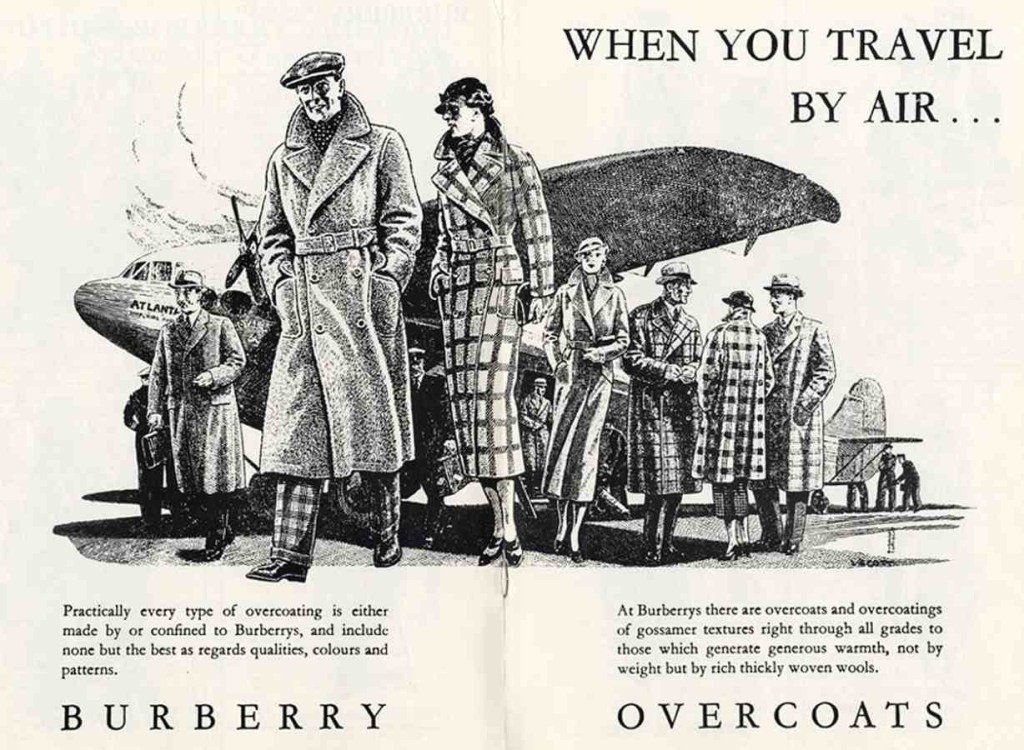
Brand Analysis — Burberry

Burberry’s Commercial

Burberry is a British luxury fashion brand based in London, England. It currently designs and markets ready-to-wear clothing, including trench coats, leather goods, footwear, fashion accessories, eyewear, fragrances, and cosmetics.

Founded in 1856, Thomas Burberry initially focused on developing outdoor clothing. The brand has entered the high fashion market, developing trench coats and products made exclusively for the brand.

Burberry’s Commercial

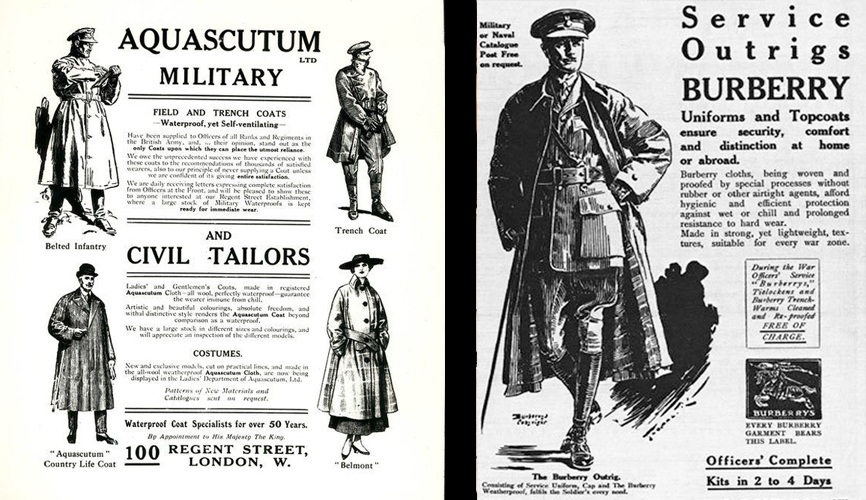
Burberry’s most famous designs are its coats. The company’s reputation was increased by Burberry’s development of “gabardine” – a tear-resistant material that was both weatherproof and breathable. This new fabric was particularly suited to military needs. It led Burberry to design an officer’s raincoat, which became an essential part of the standard uniform for British officers in the early 20th century.

Advertisement of Burberry WW1 Outlet Shop

During World War I, Burberry continued to produce officers’ raincoats, adding sizes such as shoulder straps, epaulets, and D-rings, now known as “trench coats.” Because of its association with the military, the brand also developed its distinctive patterns; the black, tan, and red pattern known as the Haymarket check or Burberry Classic Check was first used as the lining of Burberry trench coats in 1924. By 1967, the Burberry check was extensively used for scarves, luggage, umbrellas, and other accessories.

Returning to the financial part of Burberry, the brand’s annual profits fell from £62 million to £25 million in the financial year ending in 1998.

However, starting in 1997, Burberry completely retooled its business model and saw a marked improvement in its operating performance. The expansion of the product portfolio to include a broader base of buyers and the adoption of a multi-brand positioning mirrors many of the developments of other high-end international fashion retailers, including Ralph Lauren, Gucci, and Prada.

Burberry’s Digital Advertising

Firstly, Burberry has 48 million online users and is present on more than 20 social networking sites, such as Facebook (17 million users), Twitter, Instagram, WeChat, and Line. Personalized content posted on these platforms helps the brand stay in touch with its customers to understand changing needs and act accordingly.

Secondly, by Simplifying the product line, the company reduced the number of product options to approximately 15-20% while balancing its focus on solid product lines and innovative/new designs.

Burberry’s Show

Thirdly, Burberry continues to focus on its unique patterns and plaids. Burberry has been a staple of luxury and durability since the early 1920s. The plaid theme has remained constant throughout the brand’s life and is the central fact that has propelled Burberry into its current market position.

The Burberry brand has broad consumer appeal. More than 50% of the brand’s revenue comes from the apparel business, which grew 5% in 2017. The company is balanced between non-apparel (36% of revenues in 2009/10), womenswear (35%), menswear (24%), and the more minor but high-potential children’s division (5%). Burberry is planning further growth in all business areas in the coming years.

Accessories support the mainline apparel business by providing customers with products that complement their style. This segment generates 38% of the brand’s revenue, as the products follow global fashion trends.

Burberry’s Flagship Store

The company has grown through a series of reforms and marketing strategies to become one of the most valuable luxury brands worldwide.

Brand Analysis — Gucci

Gucci’s Store Front

In the last blog, we talked about Balenciaga and Kering. Here is the Link: https://liang.art.blog/2022/03/05/brand-analysis-balengiaga/

Kering also owns Gucci, and it’s the most profitable brand of Kering. So today, I’m trying to introduce Gucci.

Gucci is a high-end Italian luxury fashion brand based in Florence, Italy. Its product line includes handbags, ready-to-wear, footwear and accessories, cosmetics, fragrances, and home decor.

A glamour crafted by the founder, Guccio Gucci, who landed a job as a waiter at the famous Savoy Hotel in London in 1897. Famously, the story goes that the luxurious trunks and suitcases carried by the aristocrats staying at the hotel inspired him to create the company. As the original storyteller, Gucci associated the brand with luxury goods and the pastimes of these aristocrats, such as horseback riding – hence the brand’s signature horse-bit decorative element.

Gucci’s Commercial

Gucci was founded in 1921 by Guccio Gucci in Florence, Tuscany. In 2013, the brand was valued at $12.1 billion with sales of $4.7 billion. In 2019, Gucci was ranked as the 30th most valuable brand on Forbes’ list of the world’s most valuable brands, with a brand value of $18.6 billion. According to Forbes, Gucci generated approximately $9.8 billion in revenue worldwide in 2019.

Gucci’s Commercial

Gucci operates approximately 278 directly owned stores worldwide and wholesales its products through concessionaires and upscale department stores.

Since its inception, Gucci has been very aggressive in its marketing activities, including television commercials, print ads, and, more recently, a robust digital marketing effort.

Gucci has forged strong partnerships with Hollywood celebrities and social media influencers, working closely with these individuals to reach a broader demographic and re-establish its identity as a new, modern brand, even though it has been around for some time. The brand has changed its direction of working with celebrity types, and Gucci now offers clothing for contemporary style icons that resonate easily with millennials.

Gucci’s Commercial

Gucci has worked closely with online celebrities and has converted many emerging Instagram users into stars of the luxury brand. These collaborations have proven successful because of the connection with opinion leaders who seek to influence the purchasing behavior of opinion seekers actively searching for information to help with their buying behavior and decisions. As research has found that consumers make purchases based on what they mean and see items as an extension of their sense of self, word-of-mouth marketing can influence the meaning of a brand and, therefore, the probability of purchase.

Influencers Working with Gucci

Since 2016, Gucci’s Internet presence has grown, with more people searching for the brand online. In 2017, the brand grew 115%, earning more than $61,798,514 in media value. In addition, the fashion house saw a 44.5% increase in revenue for the nine months ending September 30, 2017. This growth can be linked to the success of their digital marketing strategy, which has allowed the brand to integrate the digital world with the in-store experience and communicate with a wider target audience. Gucci’s web traffic grew by 130%, from 1.8 million website visits in January 2017 to 4.2 million in December 2017.

Gucci is a legendary brand. It reaches its centennial in 2021 through family feuds, takeover attempts, near bankruptcy, public offerings, and storybook turnarounds.

Brand Analysis–BALENGIAGA

Cristobal Balenciaga

The fashion brand I’m introducing today is Balenciaga, a high-end luxury fashion house founded in 1917 in San Sebastian, Spain, by Spanish designer Cristobal Balenciaga and currently based in Paris, France.

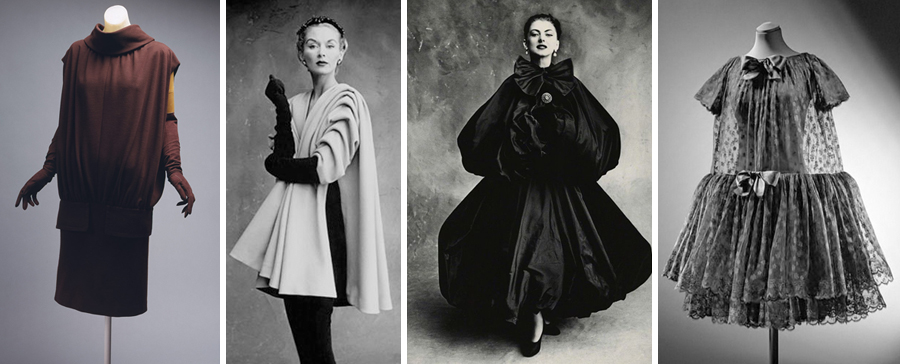
Cristobal Balenciaga’s Designs

Cristobal Balenciaga’s innovative designs, known for their sculptural volume and rigorous modernity, cemented his reputation as one of the most legendary designers of the 20th century. Balenciaga gained a reputation as a designer of clothes with uncompromising standards and was called “the master of us all” by Christian Dior. His bubble dresses and strange, feminine, but “modernist” silhouettes became the brand’s hallmark.

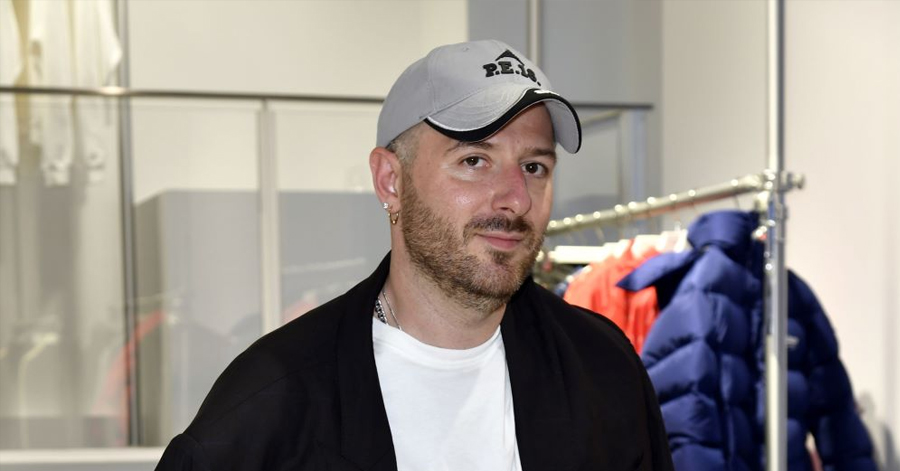
Demna Gvasalia

Balenciaga has an illustrious history but was unloved by Gen Z until Gvasalia came in and changed that and gave Balenciaga a rebirth.

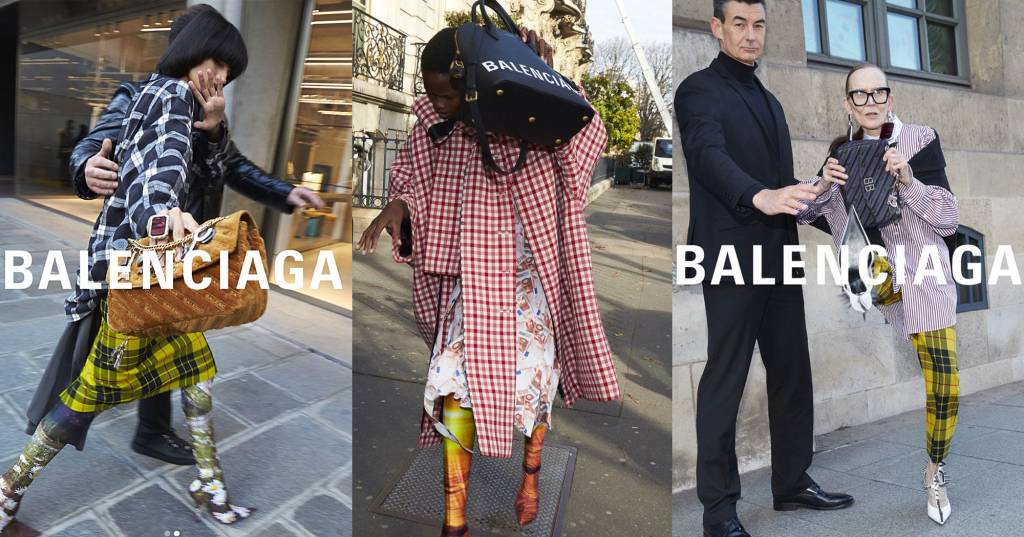
Since its launch over a century ago, polished fabrics, sleek forms, and a balance of tradition and futurism continue to define Balenciaga’s refined aesthetic. Since 2015, under the creative direction of Demna Gvasalia, the Balenciaga brand has maintained its founder’s tradition of experimentation, fusing the worlds of streetwear and high fashion. Unbound by industry conventions, Gvasalia reconfigures classic pieces with exaggerated silhouettes, asymmetrical cuts, and bold color palettes. There is an extensive collection of ready-to-wear artwork and accessories, from logo-printed T-shirts and wool pants to calfskin phone cases and silk travel pillows.

Demna Gvasalia’s Design

Young people love Demna Gvasalia’s design. The Balenciaga gained a significant market share, and their revenue increased. Traditional fashion houses have followed the example, such as Louis Vuitton invited off-white designer Virgil Abloh to join, which achieved an excellent effect. Balenciaga’s revenues have surged from $17 million in 2001 to about $2.3 billion, driven by the “ugly sneaker” phenomenon. Balenciaga has grown faster than the group average of its owner, Kering SA, with a share of sales of more than 10 percent, although it is still only a quarter the size of family member Gucci.

Luxury group Kering now owns the brand. 81 percent of 2021 revenues came from retail, with retail sales increasing by 40 percent year-over-year and 18 percent from 2019. Sales for the group came primarily from the Asia-Pacific region, which generated 39 percent of sales in 2021, followed by 27 percent from North America and Western Europe, which generated 22 percent of Kering revenue, and from its retail operations.

Chairman and CEO of Kering—François-Henri Pinault

French luxury group Kering posted sharp growth in annual revenue in 2021 to £14.7 billion, up 35% on a comparable basis to 2020, up 13% from 2019, driven by accelerated sales at its Gucci brand. Growth was driven by outstanding performances from all houses owned by Kering, which generated £14.2 billion, up 34% as reported and up 35% on a comparable basis.

The luxury group, which owns brands including Alexander McQueen, Balenciaga, Bottega Veneta, Gucci, and Yves Saint Laurent, revealed that online sales continued to grow at an unprecedented pace (up 55%) and now accounts for 15% of total sales. E-commerce continues to grow for the group, with online sales topping $2 billion in 2022, with online revenue growing by 55 percent year-over-year.

Balenciaga is a legendary brand; Kering is a legendary company. Next time I will bring you back to the most profitable brand under Kering–Gucci.

Hello!

Hello, world!


I am Liang, graduated from Fashion Institute of Technology with a bachelor’s degree in Textile Design. Focusing on fashion and textile, I spent lot of time on silk screen printing, weaving, painting, and drawing. Currently, I am enrolled at New York University’s School of Professional Studies as a master candidate for Integrated Marketing program with a concentration in Brand Management. I came to New York 8 years ago to attend high school in White Plains. At that time, I have been deeply attracted to New York City because I believed that NYC is the center of cultures, fashions, technologies, capitals, and more. So, I took the train to visit NYC every month. Soho has always been my favorite place to hang out ever since then. I used to shop at IF Soho, Opening Ceremony, KITH, then I walked towards the north stopped by midtown’s Dover Street Market, and I took the train back to White Plains at Grand Central. Then I came to the city for my undergrad and continued to stay and study.


Beside from school, I interned at a fashion company at Shanghai in last summer. I gained many insights into the industry with practical experiences. My responsibility included visiting the annual Shanghai Fabric Expo, making material selections, creating and refining pattern designs. I also assisted in budget control, sample producing, distribution, and promotion. It was a unique experience for me which brought me brand new understanding of the fashion industry from the aspects of the supply end.


In addition, my personal website showcased my design works. I expressed myself with paints, colors, lines, and all kinds of media. I specifically enjoyed silk print, that I find myself immersed in the process of repeatedly squeezing the paints through the stencil to create delicate patterns on the fabrics.


My interested in the fashion was spontaneous, I studied most of the well-known fashion brands from blogs and magazines when I was a teenager, since my family business has been related to fashion industry. With all the knowledge that I gained in the past 20 years, I’d love to share some famous fashion brands in this blog from the following perspective, design, concept, and marketing strategies, and more.


For each blog, I will dig in one fashion brands from two perspectives. Firstly, I will start with the design’s subject content, including the brand’s history & identify, design concepts, fashion fabrics, and habiliments. Secondly, I will introduce and analysis the brand’s marketing. Target market, campaign, pricing, and finance will be touched on.


As a firs time blogger, I want to bring my enthusiasm in fashion and branding to my readers! My goal of writing this blog is to educate people on various fashion brands about their missions and concepts; meanwhile, to let people be aware of the messages that their apparels are carrying. Most importantly, I’d be thrilled if my readers can see themselves in any of the brands, and find their identities being expressed by the any of the fashion designers.